March 20, 2026

Running Analysis: The beginning of the journey
Run Analysis

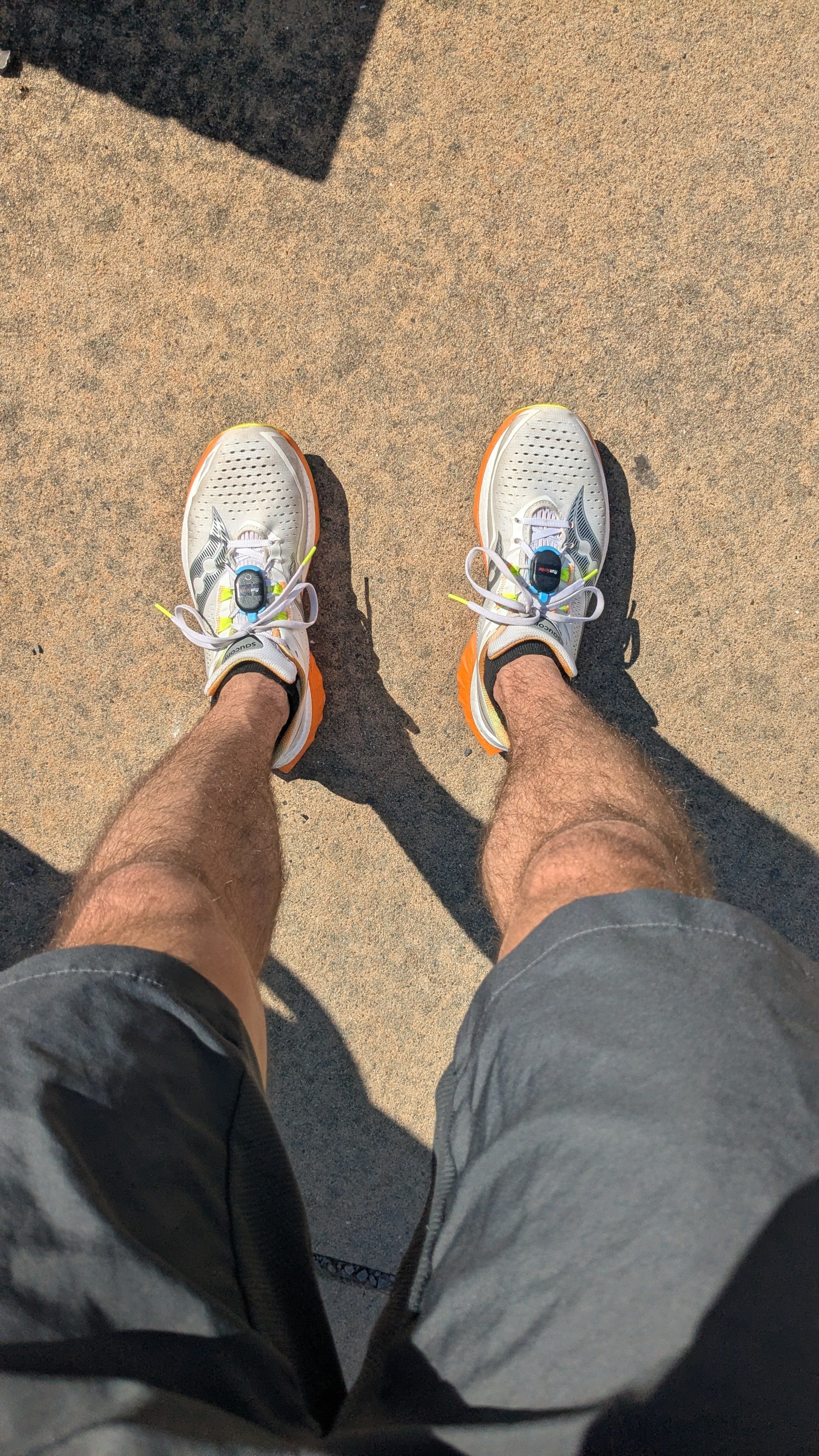
I ran for 4 miles with computers attached to my feet last Friday. I clipped sensors onto my shoes and waistband, and then ran. The computers gathered tons of data points that turned my run into valuable data.


I did this because I wanted to get a baseline of my running form and identify any imbalances or inefficiencies. If I’m going to run a hundred miles I better be able to do two things.

  1. Run for a long time without getting injured
  2. Run efficiently.

So that’s what the running form analysis is helping me do.


Begin with Intention

I wanted to start this journey with clear intention and direction. It can be easy for me to get excited about something and just go after it without much initial planning. A ‘figure it out as I go’ approach. But with an undertaking this big, that’s just not going to work. So I am taking some extra time at the beginning of the journey to plan out my approach and work on the basic form and strength training to prepare myself for the big miles.


I’ve found that in endurance sports, and life in general, it’s a lot easier to course correct earlier rather than later. There’s a navigation rule called the 1 in 60 rule that says a 1-degree error over 60 nautical miles puts you 1 mile off course. So if I started my 100-mile race 1 degree off course, I could end up over 9000 feet off course (almost 2 miles!) That’s a lot harder to correct than if I had just rotated one degree initially.

So I’m bringing intention into how I start this journey. Analyzing my form, tracking my running volume, and thinking about my nutrition and recovery are all things I’m being intentional with. I’ve already become a stronger, more efficient runner from a few modifications picked up in the analysis, and I’m confident it will only compound from there.

So I know where I am going now, it’s up to me to course correct along the way so I don’t end up thousands of feet off course. That’s part of what chronicling this journey is for.

The form analysis didn't just change how I run, it changed how I'm thinking about starting things. When you begin with intention, you give yourself something to course correct against. And course correcting early, whether in a race or in life, is always better than course correcting late. I'm carrying that with me into this whole journey not just the training, but the way I'm approaching all the things in life.


Whatever you're running toward, run with purpose.

March 20, 2026

Running Analysis: The beginning of the journey

Run Analysis

I ran for 4 miles with computers attached to my feet last Friday. I clipped sensors onto my shoes and waistband, and then ran. The computers gathered tons of data points that turned my run into valuable data.


I did this because I wanted to get a baseline of my running form and identify any imbalances or inefficiencies. If I’m going to run a hundred miles I better be able to do two things.

  1. Run for a long time without getting injured
  2. Run efficiently.

So that’s what the running form analysis is helping me do.


Begin with Intention

I wanted to start this journey with clear intention and direction. It can be easy for me to get excited about something and just go after it without much initial planning. A ‘figure it out as I go’ approach. But with an undertaking this big, that’s just not going to work. So I am taking some extra time at the beginning of the journey to plan out my approach and work on the basic form and strength training to prepare myself for the big miles.


I’ve found that in endurance sports, and life in general, it’s a lot easier to course correct earlier rather than later. There’s a navigation rule called the 1 in 60 rule that says a 1-degree error over 60 nautical miles puts you 1 mile off course. So if I started my 100-mile race 1 degree off course, I could end up over 9000 feet off course (almost 2 miles!) That’s a lot harder to correct than if I had just rotated one degree initially.

So I’m bringing intention into how I start this journey. Analyzing my form, tracking my running volume, and thinking about my nutrition and recovery are all things I’m being intentional with. I’ve already become a stronger, more efficient runner from a few modifications picked up in the analysis, and I’m confident it will only compound from there.

So I know where I am going now, it’s up to me to course correct along the way so I don’t end up thousands of feet off course. That’s part of what chronicling this journey is for.

The form analysis didn't just change how I run, it changed how I'm thinking about starting things. When you begin with intention, you give yourself something to course correct against. And course correcting early, whether in a race or in life, is always better than course correcting late. I'm carrying that with me into this whole journey not just the training, but the way I'm approaching all the things in life.


Whatever you're running toward, run with purpose.

March 20, 2026

Running Analysis: The beginning of the journey

Run Analysis

I ran for 4 miles with computers attached to my feet last Friday. I clipped sensors onto my shoes and waistband, and then ran. The computers gathered tons of data points that turned my run into valuable data.


I did this because I wanted to get a baseline of my running form and identify any imbalances or inefficiencies. If I’m going to run a hundred miles I better be able to do two things.

  1. Run for a long time without getting injured
  2. Run efficiently.

So that’s what the running form analysis is helping me do.


Begin with Intention

I wanted to start this journey with clear intention and direction. It can be easy for me to get excited about something and just go after it without much initial planning. A ‘figure it out as I go’ approach. But with an undertaking this big, that’s just not going to work. So I am taking some extra time at the beginning of the journey to plan out my approach and work on the basic form and strength training to prepare myself for the big miles.


I’ve found that in endurance sports, and life in general, it’s a lot easier to course correct earlier rather than later. There’s a navigation rule called the 1 in 60 rule that says a 1-degree error over 60 nautical miles puts you 1 mile off course. So if I started my 100-mile race 1 degree off course, I could end up over 9000 feet off course (almost 2 miles!) That’s a lot harder to correct than if I had just rotated one degree initially.

So I’m bringing intention into how I start this journey. Analyzing my form, tracking my running volume, and thinking about my nutrition and recovery are all things I’m being intentional with. I’ve already become a stronger, more efficient runner from a few modifications picked up in the analysis, and I’m confident it will only compound from there.

So I know where I am going now, it’s up to me to course correct along the way so I don’t end up thousands of feet off course. That’s part of what chronicling this journey is for.

The form analysis didn't just change how I run, it changed how I'm thinking about starting things. When you begin with intention, you give yourself something to course correct against. And course correcting early, whether in a race or in life, is always better than course correcting late. I'm carrying that with me into this whole journey not just the training, but the way I'm approaching all the things in life.


Whatever you're running toward, run with purpose.